WHAT WE DO
Sewage Cleanup & Sewer Backup Restoration in Omaha, Lincoln & Council Bluffs
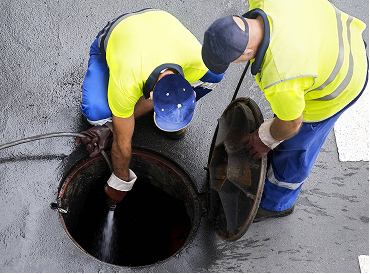
Sewage is classified as Category 3, or “black water,” in the restoration industry. It carries bacteria, viruses, and parasites, and anything porous it touches, like carpet, drywall, and upholstered furniture, generally cannot be cleaned well enough to be safe again. A sewer backup is not a job for a mop and bleach. It needs protective equipment, containment, disinfection, and careful drying so the problem does not turn into a mold problem a week later.
We respond 24/7 from South 22nd Street in Omaha and North 33rd Street in Lincoln. Call (402) 543-3701.
Why sewer backups happen here
Combined sewers in older Omaha. Much of eastern Omaha was built with combined sewers, where stormwater and wastewater share the same pipes. During heavy rain those pipes can fill up, and water looks for the lowest outlet, which is often a basement floor drain. The City of Omaha has spent years separating sewers and adding storage under its Clean Solutions for Omaha program, but many older homes still see backups in big storms.
Tree roots and aging lines. Mature trees in established neighborhoods like Dundee and Hanscom Park in Omaha, or Clinton and Everett in Lincoln, push roots into older clay and cast iron sewer laterals. The line slowly narrows until one day it stops draining.
Blockages. Grease, wipes labeled “flushable,” and other debris build up in the line between your house and the city main.
River and storm conditions. When the Missouri River runs high, low-lying parts of Omaha, Council Bluffs, and Bellevue can see stormwater and sewer systems back up.
What to do right now
- Stop using water in the house: no flushing, showers, laundry, or dishwasher. Every gallon you send down the drain can come back up in the basement.
- Keep children and pets away from the affected area.
- Do not walk through sewage, and do not run a household vacuum or fan in the area.
- Turn off power to the basement at the breaker if you can do so without entering water.
- Take photos for your insurance claim, then call us.
How we clean up sewage
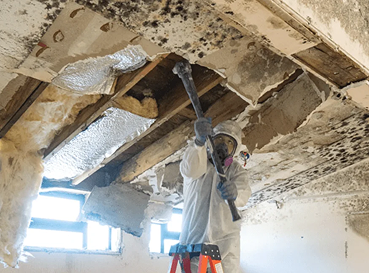
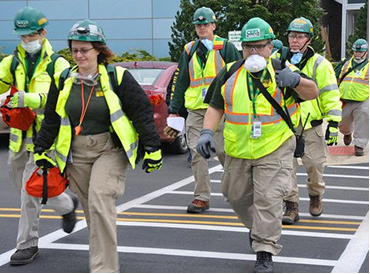
1. Safety and containment. Technicians wear protective suits, gloves, and respirators. We isolate the area with plastic sheeting and negative air pressure so contaminated air does not travel through the house.
2. Extraction. Sewage and contaminated water are pumped and extracted, and solids are removed.
3. Removal of contaminated materials. Carpet, pad, drywall up to above the contamination line, insulation, and porous contents that cannot be safely cleaned are removed and disposed of properly. Everything is photographed and listed for your claim.
4. Cleaning and disinfection. Hard surfaces, concrete, and framing are cleaned and treated with antimicrobial products.
5. Drying. Dehumidifiers and air movers dry the structure, and we verify with moisture readings.
6. Rebuild. Once everything is clean and dry, we can put the space back together.
Insurance and sewer backups
This is the area where homeowners are most often surprised. Standard homeowners policies usually exclude sewer and drain backup unless you added a “water backup” endorsement, and flood damage from rising surface water needs a separate flood policy. Check with your agent right away. We document the cause and extent of the damage either way. See our insurance claims page for details.
Preventing the next backup
Ask a licensed plumber about a camera inspection of your sewer line, root treatment or line replacement, and a backwater valve, which closes automatically when sewage tries to flow back into the house. In many cases the property owner is responsible for the private sewer line from the house to the city main, so it is worth knowing its condition.
Sewage cleanup FAQs
Can I clean up a small sewer backup myself?
A minor toilet overflow onto tile can usually be cleaned with gloves and disinfectant. Anything that reached carpet, drywall, or a finished basement should be handled professionally because of the health risk.
Can carpet be saved after a sewage backup?
Industry standards call for removing carpet and pad that sewage has soaked. Hard flooring and concrete can usually be cleaned and disinfected.
How long does sewage cleanup take?
Extraction and removal often happen on the first day. Drying usually takes three to five more days.
What if it is groundwater, not sewage?
Groundwater that comes through the foundation is handled as contaminated water but follows a different process. Our water damage restoration team covers that.
Sewage in your basement? Call (402) 543-3701, 24/7, anywhere in our service area.